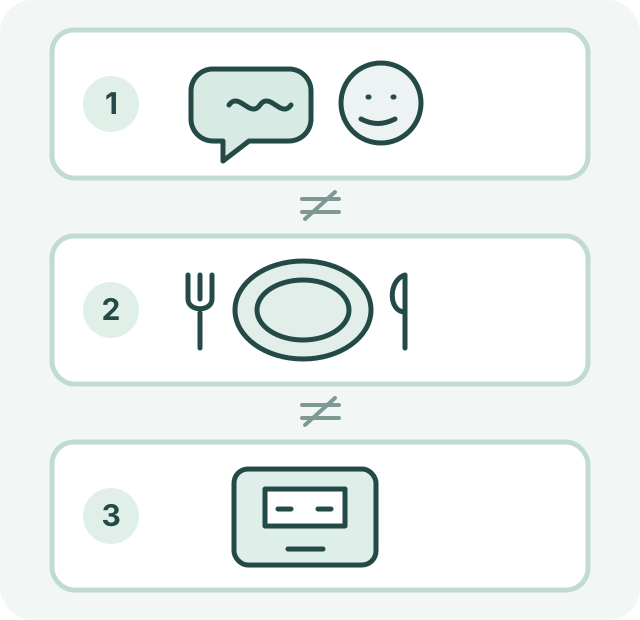
Conceptual distinction based on NCI appetite information and NIDDK measurement definitions. The symbols mean different observations, not unrelated processes, recovery stages or measured amounts.
- 1 · Feeling
Hunger or wanting to eat is reported by the person.
- 2 · Eating
What and how much is eaten is behaviour, not a hunger score.
- 3 · Weight
A scale measures total mass, not appetite or energy expenditure.
The same sentence can hide three different questions
‘I am always hungry, so I must be gaining fat’ jumps from a sensation to a prediction. Entirely fictional contrasts make the gap clearer: one person feels more hungry but has not noticed a change in meals; another reaches for snacks at former smoke breaks without much hunger. Neither account establishes a weight outcome. Conversely, a higher reading alone cannot prove overeating or a damaged metabolism.
Hunger usually describes a need-to-eat sensation; appetite or food wanting can include attraction to particular foods. Everyday language overlaps. The useful distinction is not a home diagnostic label, but whether the concern is the feeling, a changed eating routine or an observed weight change. A professional conversation is clearer when those are described separately.
More than one pathway may contribute
NCI lists hunger or increased appetite among possible nicotine-withdrawal symptoms. Smokefree.gov also describes food becoming more enjoyable as taste and smell change, and eating sometimes taking the place of an old hand-to-mouth routine or a response to stress and boredom. Those explanations need not all apply to one person; not every snack means withdrawal and not every appetite change means loss of control.
Energy use is another question. Smoking can increase energy expenditure, and stopping can reduce that contribution. This is not a metabolic shutdown, a fixed daily calorie deficit or a reason to use tobacco or nicotine for weight control. Mechanisms explain possibilities; they do not supply your personal food allowance, exercise dose or expected gain.
What the scale cannot settle
Energy expenditure includes essential body functions as well as activity. NIDDK describes research measurements for it separately from measurements of body composition. Total body mass includes water, muscle, organs, bone and fat; one ordinary weight reading is not a direct measurement of fat gained, energy burned or how hungry you were.
If someone says ‘I did not feel hungrier, but my weight changed’, that is not a contradiction of every possible pathway. Nor does a steady weight disprove an appetite change. A population explanation cannot diagnose a person's cause from either observation. This page does not ask you to weigh repeatedly, count calories or test a mechanism by smoking again.
Ask for the kind of help that matches the concern
You can describe to a qualified professional whether the main difficulty is persistent hunger, a changed routine, distress around food or an unexplained weight change. A healthcare professional or qualified nutrition professional can assess circumstances rather than assume everything is withdrawal. Existing diabetes care, eating-disorder care and prescribed medicines should not be changed using this general explanation. There is no universal week when appetite must be ‘normal’ again.
In England, NHS local stop-smoking services offer separate cessation support; confirm access and use local services elsewhere. They are not a substitute for assessment of concerning eating or weight changes. This page collects no food diary, body measurements or smoking history, and prescribes no fasting, meal plan, supplement, medication or weight-control exercise programme.
What to keep in mind
Sources
The central claims on this page were checked against the sources below.
- National Cancer Institute: Nicotine withdrawal: hunger and appetite are possible symptoms
Sources checked: 2026-10-06
- Smokefree.gov / National Cancer Institute: Appetite, food enjoyment and eating routines after quitting
Sources checked: 2026-10-06
- Smokefree.gov / National Cancer Institute: Eating patterns and energy expenditure can both contribute
Sources checked: 2026-10-06
- National Institute of Diabetes and Digestive and Kidney Diseases: Energy metabolism and body composition require different measurements
Sources checked: 2026-10-06
- NHS: England: local stop-smoking support
Sources checked: 2026-10-06
General education, not an appetite diagnosis, personal calorie target, weight forecast or nutrition treatment plan.