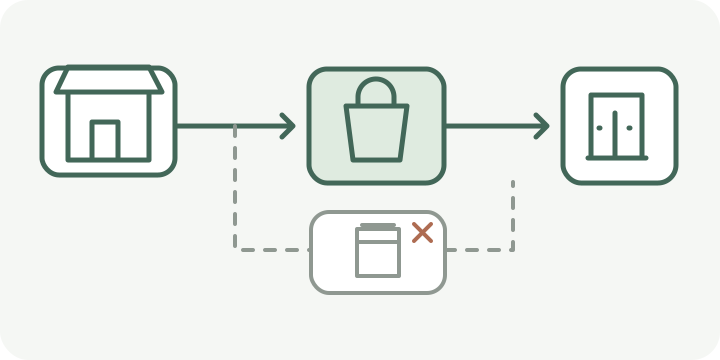
An invented choice map: necessary groceries continue. The dashed branch represents an automatic cigarette addition that can be considered separately, not a second route everyone must take.
- Necessary errand
Keep food, household needs and the feasible trip.
- Extra purchase
Find where the cigarette decision is added.
- Route fixed?
Change the list or counter response instead of requiring a detour.
Find the purchase opportunity you already recognise
NHS and NCI preparation guidance discuss familiar routines and ordinary changes to them. They do not identify payday as a universal cause of smoking or assess the examples in this article.
Your opportunity might be a payday notification followed by a tobacco-only stop, a weekly grocery visit or a cashier remembering your usual pack. If payday is not part of your pattern, do not add it just because it is in the title. You are locating an actual purchase, not starting a salary or spending diary.
Two stops with different purposes
Invented example A: Jo needs ingredients for dinner at the only convenient shop. Jo keeps the trip and an ordinary food list, without adding the usual cigarettes. At the counter: ‘Just these today, thanks.’ Leaving without dinner would not complete the errand; buying food is not a failed attempt to avoid the shop.
Invented example B: Lee already has what is needed and normally makes a separate tobacco stop after payday. Lee chooses not to make that extra stop and takes the usual feasible route home. The change is different from Jo's because the stop had no other task. Neither example asks another person to control income or confiscate a bank card.
When there is only one shop or one route
Access, mobility, opening hours or transport can rule out another shop. Do not propose a longer journey as if those limits do not exist. Change something within the necessary visit: the list made before arriving, the item requested, or the reply when cigarettes are suggested.
If the usual question is ‘Your regular pack too?’, an invented answer is ‘No, only the groceries.’ You do not owe the cashier a health history or a permanent promise. If someone else normally shops for you, ask for the ordinary items you need and explicitly say whether tobacco is included; do not assume they know the change.
If a purchase still happens, review the choice point
Look at where the plan differed from the actual trip: the list still contained cigarettes, a separate stop was left in place, or you had not decided how to answer. Change that one link before the next visit. A purchase and what happens afterwards are different questions; this article does not assess smoking, withdrawal or treatment from a receipt.
Keep pay amounts, debt and family control of money out of this ordinary route plan. If repeated difficulty or personal health questions need more support, ask a qualified local professional or cessation service. The website needs none of your shopping, salary or smoking details.
What to keep in mind
Common questions
The cashier knows what I usually buy. Do I need an explanation?
An ordinary item request can be enough: ‘Just these groceries today.’ You may explain more if you want, but a purchase decision does not require sharing your smoking history or promising an outcome.
Should I avoid carrying money?
This plan does not rely on removing access to money. Keep what you need for food, travel and ordinary responsibilities. It separates a cigarette purchase from those tasks, not control of your finances.
Sources
The central claims on this page were checked against the sources below.
- NHS: Understand your smoking triggers and cravings
Sources checked: 2026-10-02
- National Cancer Institute / Smokefree.gov: Steps to manage quit day
Sources checked: 2026-10-02
Everyday purchase planning with fictional examples, not financial advice, budgeting or a clinical intervention. No income, receipts or personal smoking information is collected.