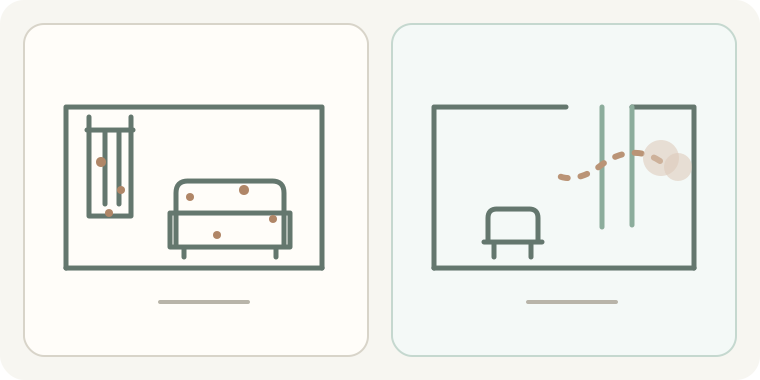
Editorial schematic, not a test result. Symbols do not show visible chemical deposits, dose or a confirmed direction of airflow. Both questions may apply together.
- Existing condition
What is known about materials and work before handover?
- Continuing input
Is smoke still being introduced, and what will be assessed?
The room can remain a source after the cigarette is gone
EPA distinguishes current airborne smoke from chemicals that build up on hard surfaces and embed in soft materials such as upholstery, curtains and carpets. Contact with contaminated surfaces or release back into air can lead to thirdhand exposure. This explains why an empty room is not necessarily a room without tobacco contamination; it does not establish the condition of a particular sofa or wall.
How long chemicals remain depends on smoking and building conditions, including materials and ventilation. There is no universal waiting period to copy into a moving-in decision. EPA also cautions that not seeing or smelling smoke does not establish that smoking chemicals are absent. A fresh-looking room or a weaker smell is not an environmental assessment.
A handover note and a later episode are not the same observation
Fictional example: on collecting the keys, a tenant notices a tobacco-like odour around the supplied curtains. They tell the property contact about that existing condition without writing ‘the previous tenant caused it’. Later, while carrying out ordinary activities, they notice a recurring smoky smell near the entrance. They report that separately, without deciding which neighbouring home it came from.
The two observations lead to different questions: ‘What work and assessment were carried out on the furnishings before handover?’ and ‘Will the recurring episode and possible building route also be checked?’ A reply saying the curtains were treated answers neither the actual result of that work nor the separate entry question.
The example does not diagnose two sources. It keeps both questions open until qualified assessment provides more information. Do not stay in a smoky location, approach a suspected source, open service spaces or deliberately change ventilation to reproduce an episode.
Give the property contact a condition, not an accusation
Use the landlord, letting agent or building manager responsible for the home. EPA's apartment guidance points US readers to their agreement and local health or legal advice where needed. That is a US route, not a finding that a lease was breached or that a tenant elsewhere can withhold rent, end the lease or require a particular repair.
A useful private message states the broad room area, whether it was present at handover or recurs, and which question you want answered. You can ask who will assess the materials and who will assess continuing entry, what the assessment covers, and how its findings and proposed next steps will be communicated. Keep any ordinary condition notes private; this site needs no address, unit number, neighbour names, photographs or health history.
A proposal to remove odour is not a complete answer
If only deodorizing is proposed, ask whether it addresses the reported material condition, continuing smoke input or both—and what supports that claim. Ventilation and air cleaning can reduce some secondhand exposure but do not eliminate it. Continuing input cannot be considered resolved merely because a previous room treatment was performed.
Persistent contamination belongs with the property channel and qualified indoor-environment professionals. This page does not prescribe chemicals, sanding, repainting, demolition, ozone or sealing building systems; it cannot approve a room for occupancy. Ask the responsible contact about an alternative place to stay if needed while assessment is arranged. Personal exposure or health concerns need qualified local medical help, separate from the property enquiry.
What to keep in mind
Sources
The central claims on this page were checked against the sources below.
- US Environmental Protection Agency: Secondhand Smoke and Electronic-Cigarette Aerosols: thirdhand exposure
Sources checked: 2026-10-03
- US Environmental Protection Agency: How long do the harmful elements of secondhand smoke/aerosol linger indoors?
Sources checked: 2026-10-03
- US Environmental Protection Agency: Secondhand smoke/aerosol entering an apartment
Sources checked: 2026-10-03
General rental-condition education, not a contamination test, cleaning procedure, legal conclusion or personal health assessment. No private tenancy or health information is collected here.