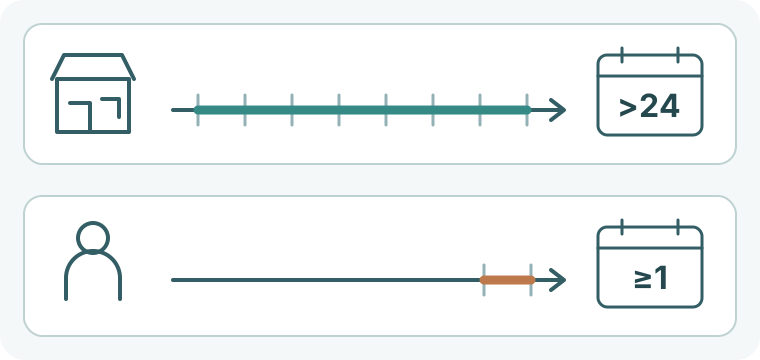
Conceptual illustration of the 2022 analysis: months since a display ban and months without smoking at follow-up. The lengths are illustrative, not measured to scale or a causal sequence.
- Shop · more than 24 months
Time since the provincial display ban began, not time a participant spent abstinent.
- Person · at least one month
Self-reported cessation at follow-up among participants who attempted quitting; not continuous abstinence throughout the policy period.
A cabinet changes visibility, not necessarily availability
In a fictional grocery visit, a shopper can no longer see a wall of cigarette packs beside the checkout, but the shop still sells tobacco. A display restriction targets promotion through visible products; it is not automatically a sales ban or a reduction in the number of retailers. These are different policy interventions.
WHO Europe's 2017 evidence overview describes large reductions in reported advertising exposure and fewer impulse purchases in countries implementing bans. Packs can act as advertising, so visibility is more than storage. But an unplanned purchase measure is not an abstinence measure, and a person noticing a display does not establish that it caused their craving or smoking.
Two Canadian analyses, different questions
The earlier ITC Canada analysis used survey data from 2006–2011, classifying a province as having or not having a display ban. Among people smoking at the previous survey, cessation meant reporting at least a month without smoking and still being quit at follow-up. It found no statistically clear association with cessation; its favourable relapse estimate was also not statistically clear. That is not proof of no benefit or a confirmed relapse-prevention effect.
The analysis published online in 2022 distinguished how long a ban had operated. Its cessation sample was restricted to people who had made a quit attempt, aged at least 25. Living in a province whose ban had operated for more than 24 months was associated with more self-reported cessation of at least one month at follow-up. Overall quit attempts did not show a clear association. The 24-month policy window is not 24 months of abstinence for a participant.
These papers use overlapping ITC Canada survey data, not two independent replications. They classify policy exposure and select participants differently. Both are observational; prices, other policies, self-report and follow-up losses complicate attribution. In the later paper, the cessation association's confidence interval crossed the no-effect value after additional smoke-free-policy adjustment. The positive main finding is worth retaining, but is not a universal effect of a display ban.
What the result can mean for a reader
A less promotional shop environment can support a population policy without making every shopping trip harmless or every quit attempt successful. Inspect whether a headline measured display recall, impulse purchases, attempts or a defined cessation outcome, and whether ‘two years’ describes the policy or the person. A different route through a shop is not a proven way to prevent smoking; this page does not prescribe cue exposure or retailer avoidance.
For help with quitting, England's NHS local Stop Smoking Services offer an official starting point; elsewhere use local qualified support and confirm access conditions. Questions about a shop's legal obligations belong with the relevant local authority. This page asks for no location, retailer, purchase history or evidence upload, and does not send a complaint or referral.
What to keep in mind
Sources
The central claims on this page were checked against the sources below.
- WHO Regional Office for Europe: WHO Europe (2017): tobacco point-of-sale display bans, official evidence overview
Sources checked: 2026-10-06
- Tobacco Control / PMC: Fleischer et al.: ITC Canada display-ban, cessation and relapse analysis; online 2018, journal issue 2019
Sources checked: 2026-10-06
- Tobacco Control / PMC: Usidame et al.: ITC Canada policy-duration and cessation analysis; online 2022, journal issue 2023
Sources checked: 2026-10-06
- NHS Better Health: England: local Stop Smoking Services
Sources checked: 2026-10-06
General policy evidence, not a personal cue diagnosis, relapse-prevention promise, legal advice or treatment recommendation.