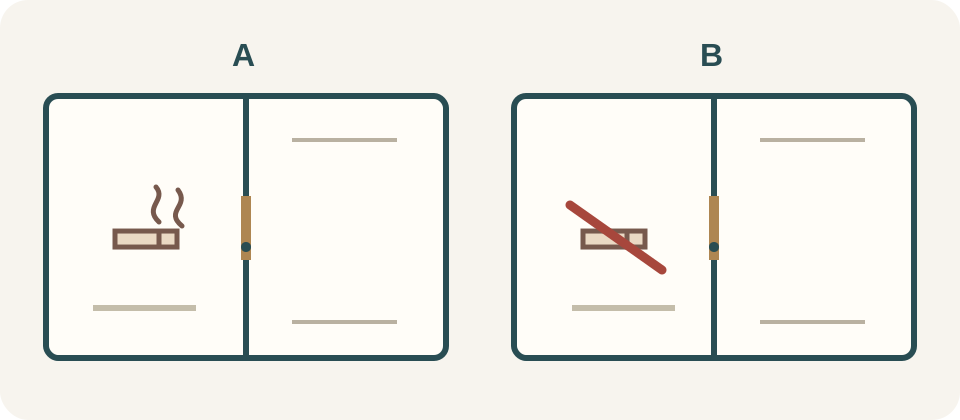
A remains indoor smoking; B shows no new indoor smoking. The drawing does not show old residue being removed.
- A — Door shut
The proposed smoking source remains inside the home.
- B — No indoor smoking
Change the agreement about the source, not a door setting.
A shut door changes an opening, not the indoor source
CDC describes smoke moving through doorways, cracks and openings around ventilation or plumbing. Closing an ordinary door does not close every route connecting the rooms. A bedroom can look separate while sharing air pathways with the rest of the home.
That is why the bathroom offer misses the main question: the cigarette is still lit indoors. No visible smoke in the hallway does not show that these other pathways are absent.
Try the proposed agreement in plain words
Fictional household example: a housemate offers, ‘I'll only smoke in the bathroom, door shut, then open the window.’ The reply could be: ‘That still means smoking inside. I'm asking for no smoking anywhere indoors, including the bathroom. Can we agree on that?’
The two proposals are different. The first picks a room and a ventilation routine; the second stops new indoor smoking. If the answer is no, record that as disagreement rather than calling it a smoke-free-home agreement. If raising the issue could provoke intimidation, seek appropriate support rather than escalating a confrontation.
What about a fan, extractor or sealed gap?
EPA says ventilation and filtration can reduce smoke pollutants but do not eliminate secondhand smoke. Turning on a fan is therefore a different action from agreeing not to smoke indoors.
Avoid turning the conversation into improvised building work such as blocking vents or altering shared systems. If smoke instead arrives from another apartment, separate that problem from this household agreement: note where it enters and contact the responsible housing party.
Stopping new smoke and cleaning old residue are separate tasks
Health Canada distinguishes smoke generated indoors from residues carried on materials, clothing, skin and hair. A new no-indoor-smoking agreement addresses the continuing source. It does not prove that old furnishings have been completely cleaned.
Keep the immediate decision manageable: whether anyone will smoke indoors from now on. Questions about a previously smoked-in room or cleaning need their own evidence, not a promise that this agreement removes all past contamination.
What to keep in mind
Sources
The central claims on this page were checked against the sources below.
- US Centers for Disease Control and Prevention: Preventing Exposure to Secondhand Smoke in the Home — 2024-05-15
Sources checked: 2026-10-02
- US Environmental Protection Agency: Secondhand Tobacco Smoke and Indoor Air Quality — updated 2026-04-22
Sources checked: 2026-10-02
- Health Canada: Make your home and car smoke-free — January 2021
Sources checked: 2026-10-02
General environmental information and a fictional household conversation, not a measurement of your home's airflow or personal exposure. Purpose-built smoking-room engineering, medical assessment and legal advice require separate professional evaluation.